
September 2025 (A178) - Auction: 17.9.2025, 18:00
–Auction completed
4013. Sayed Haider Raza
(Barbara 1922–2016 Delhi)
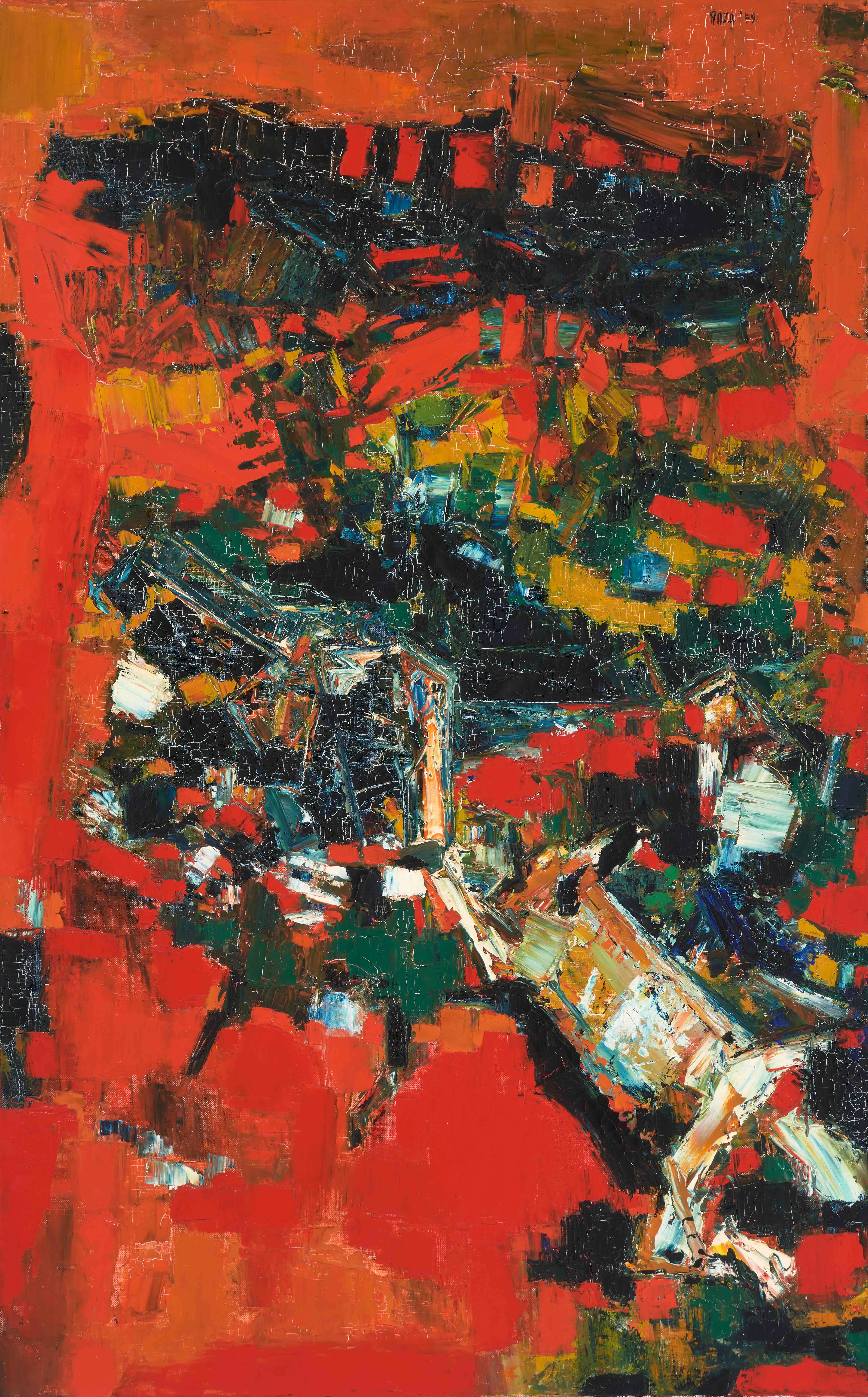
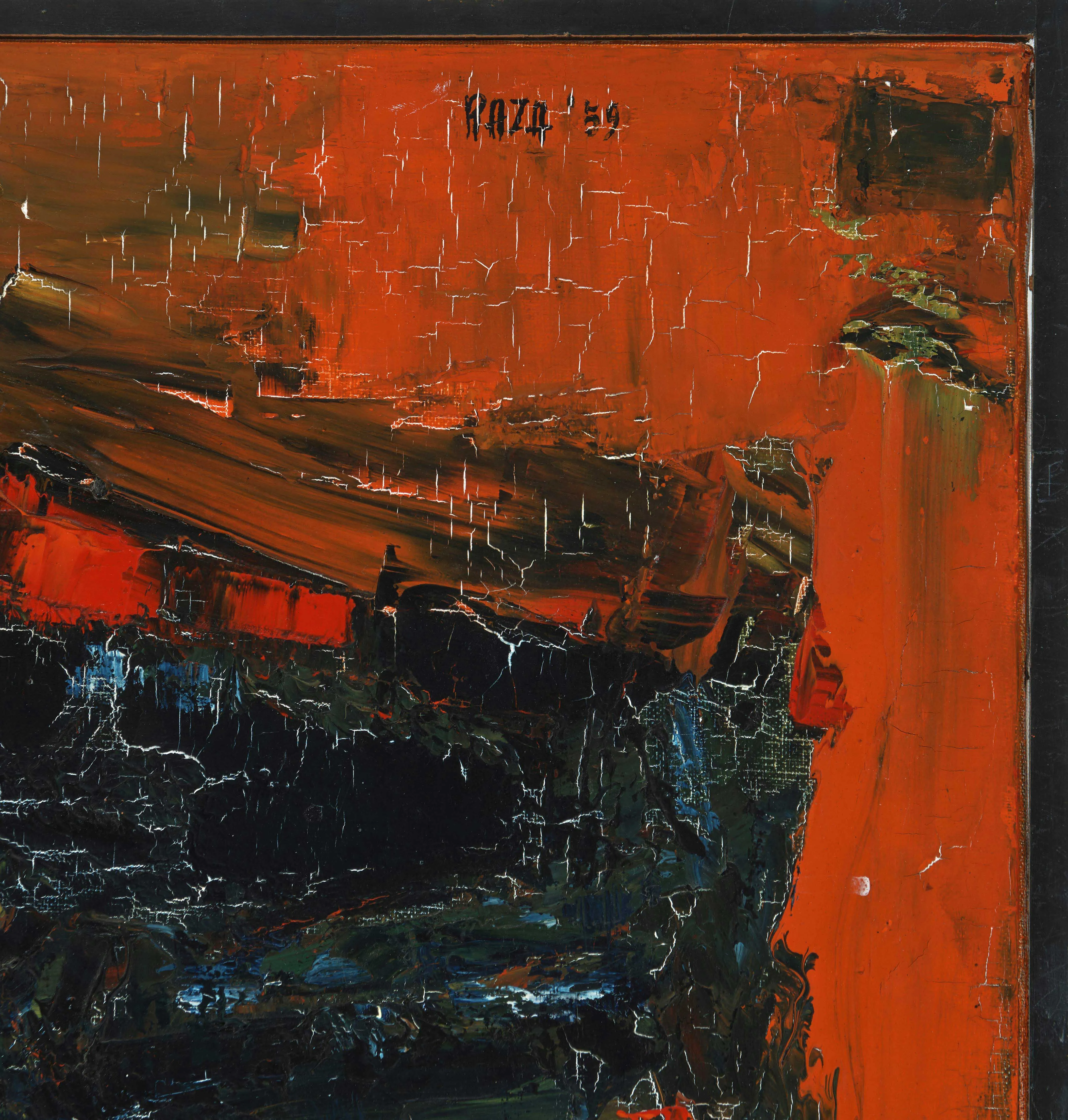
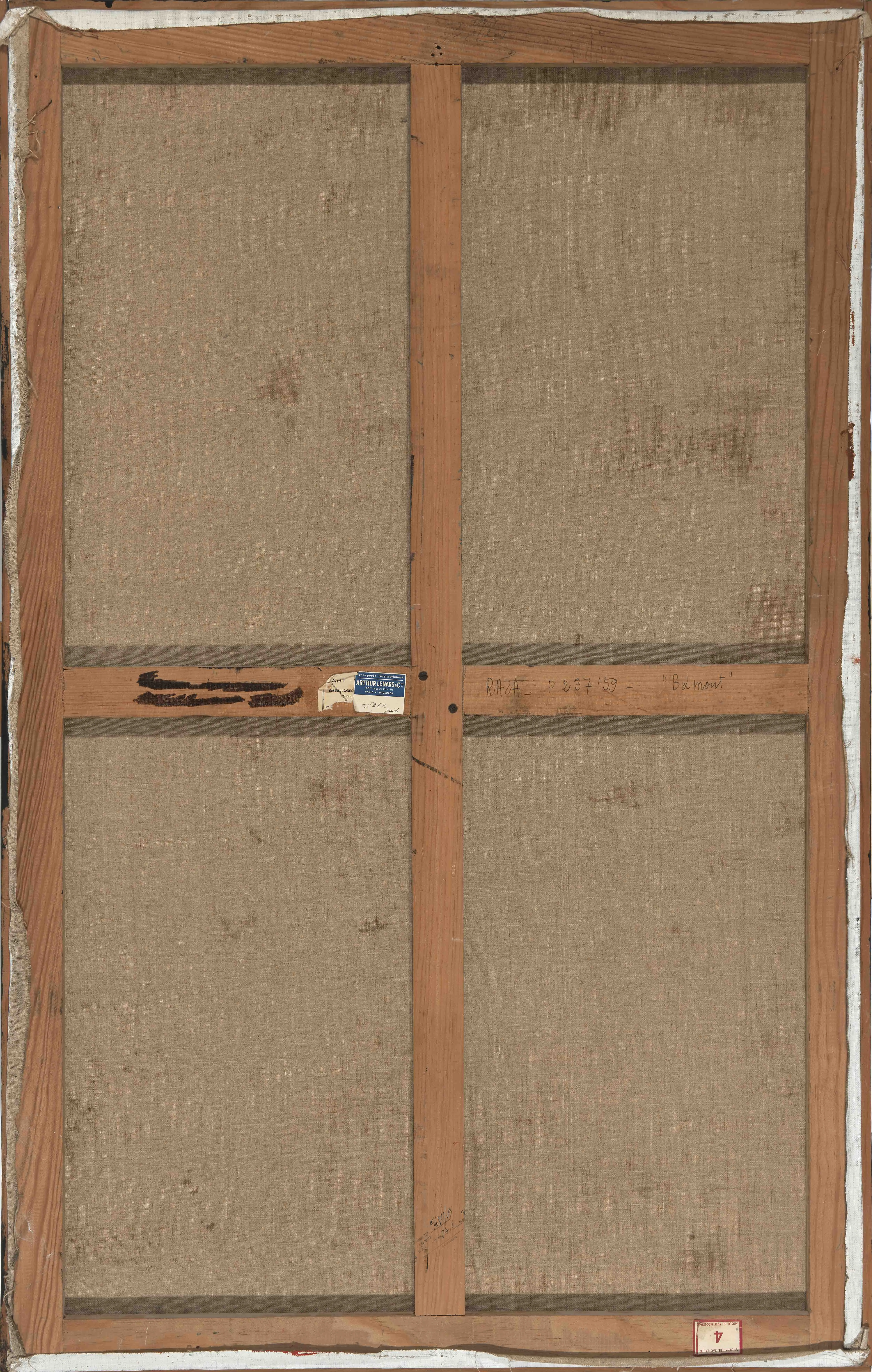
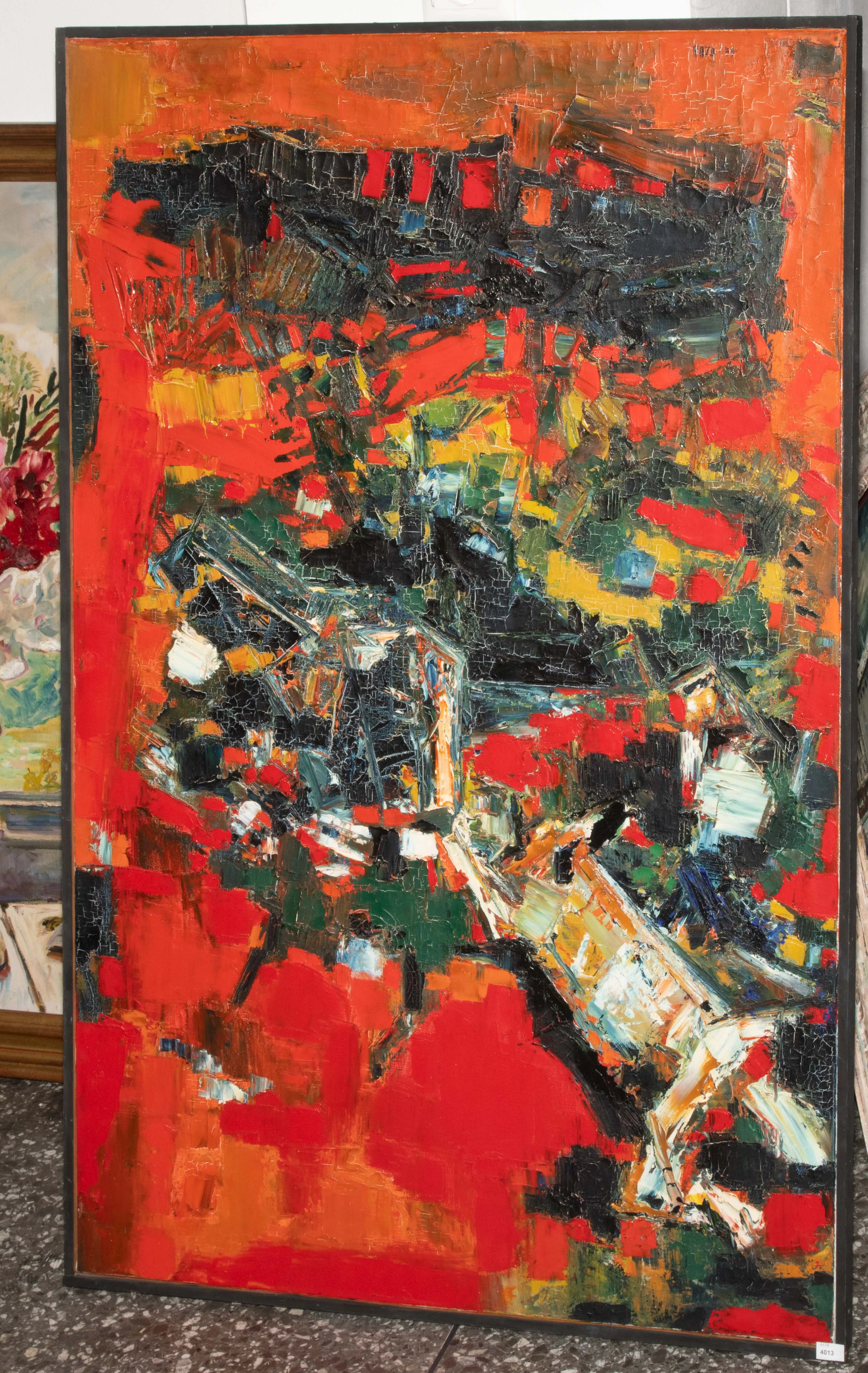
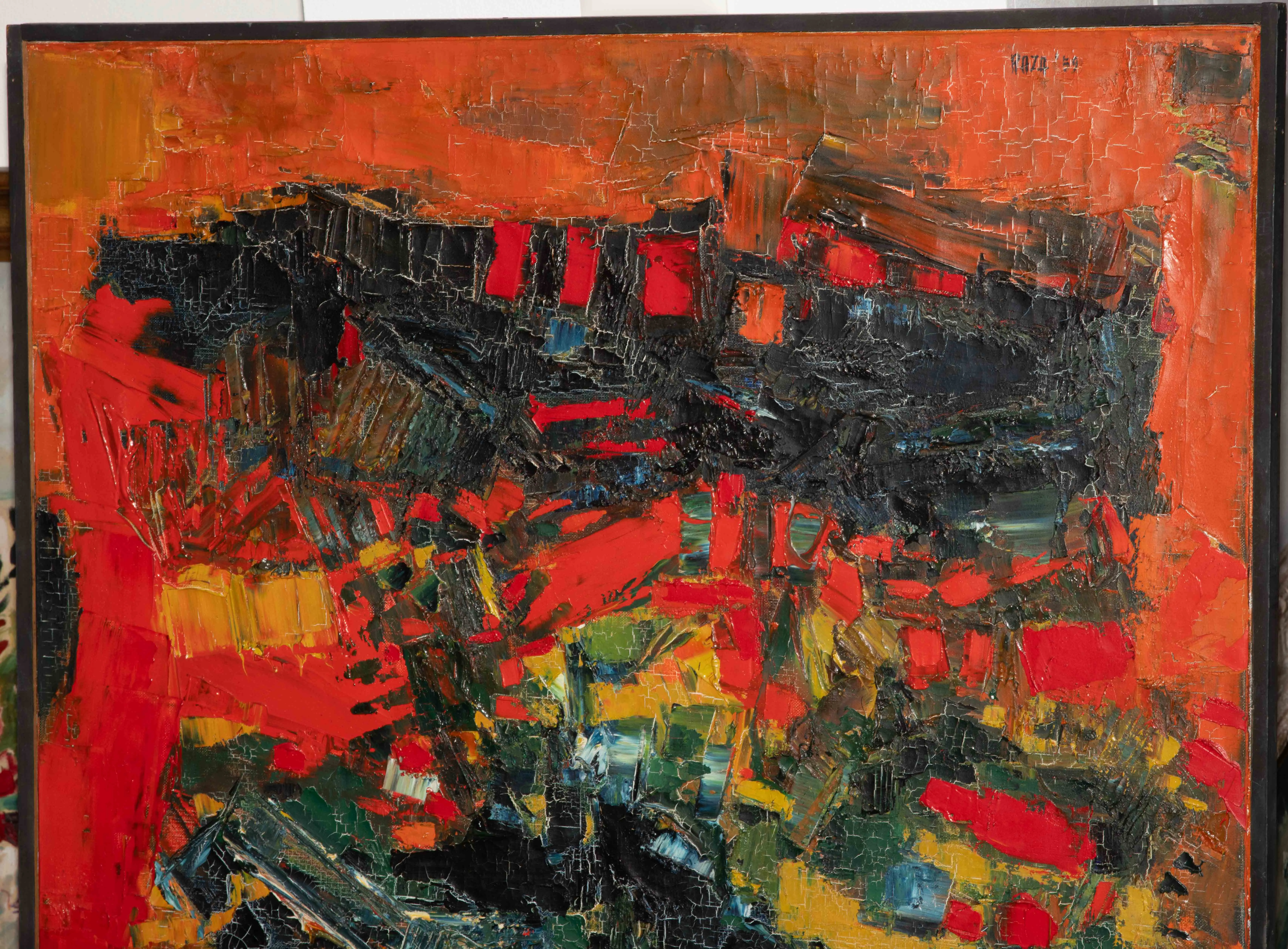
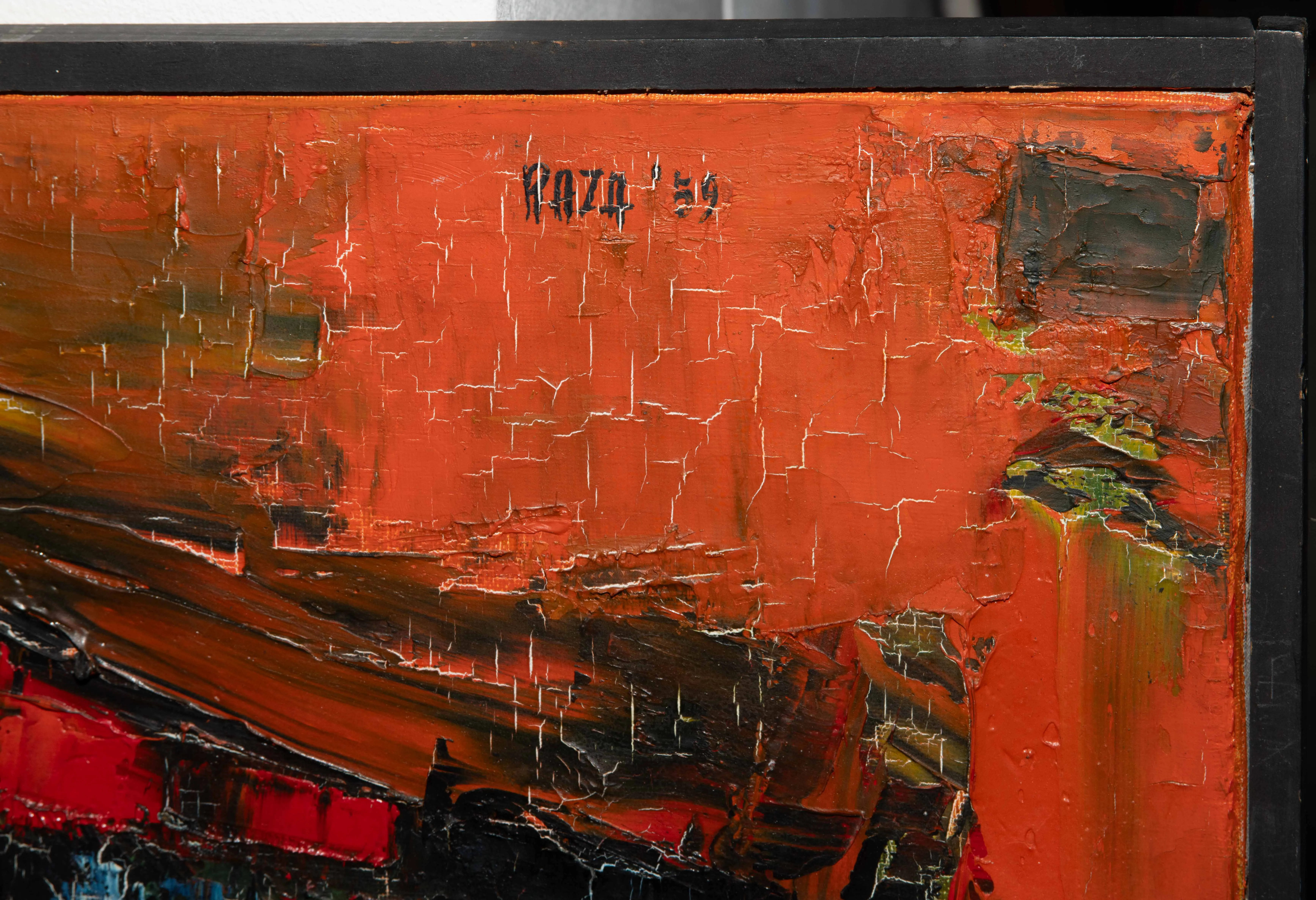
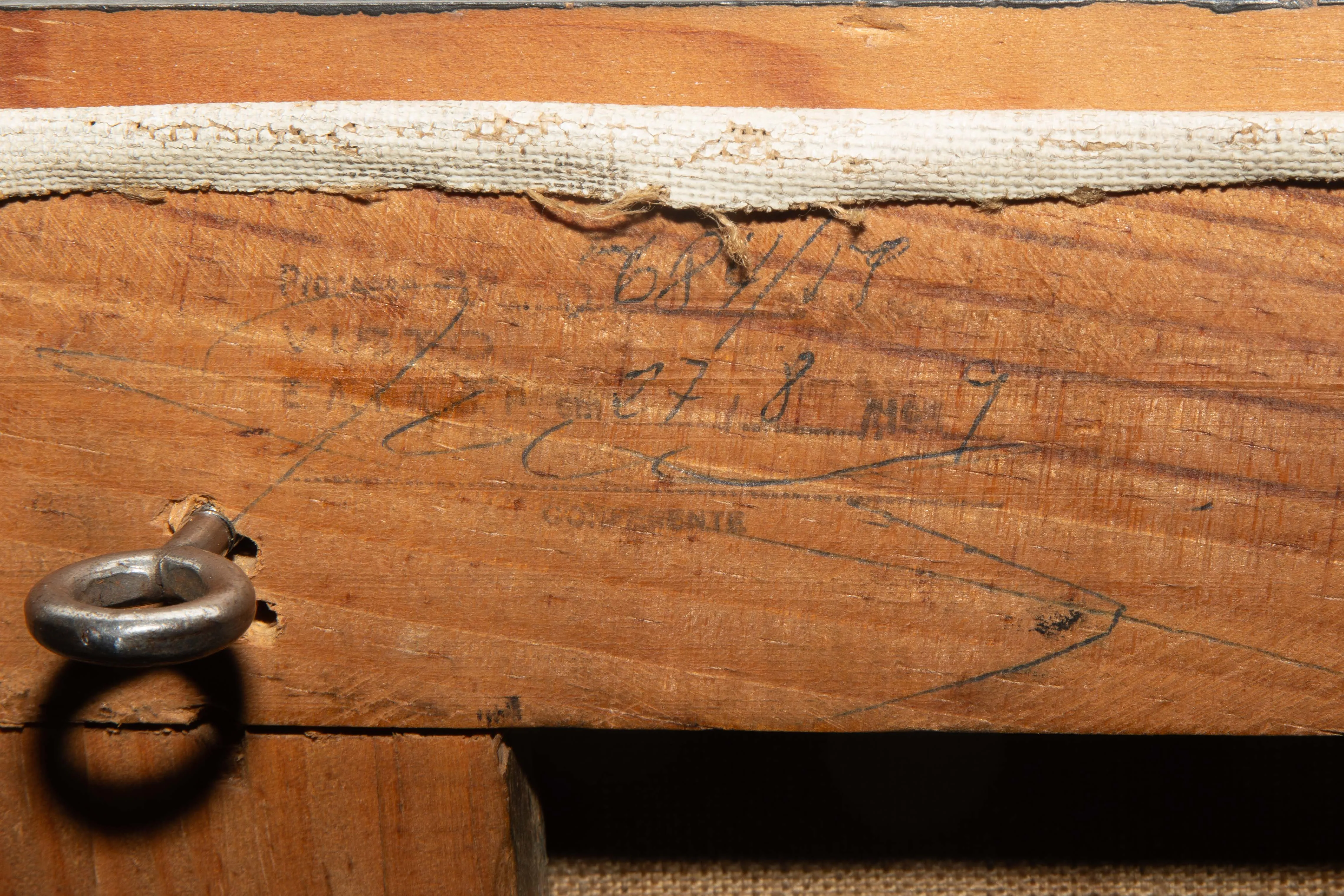
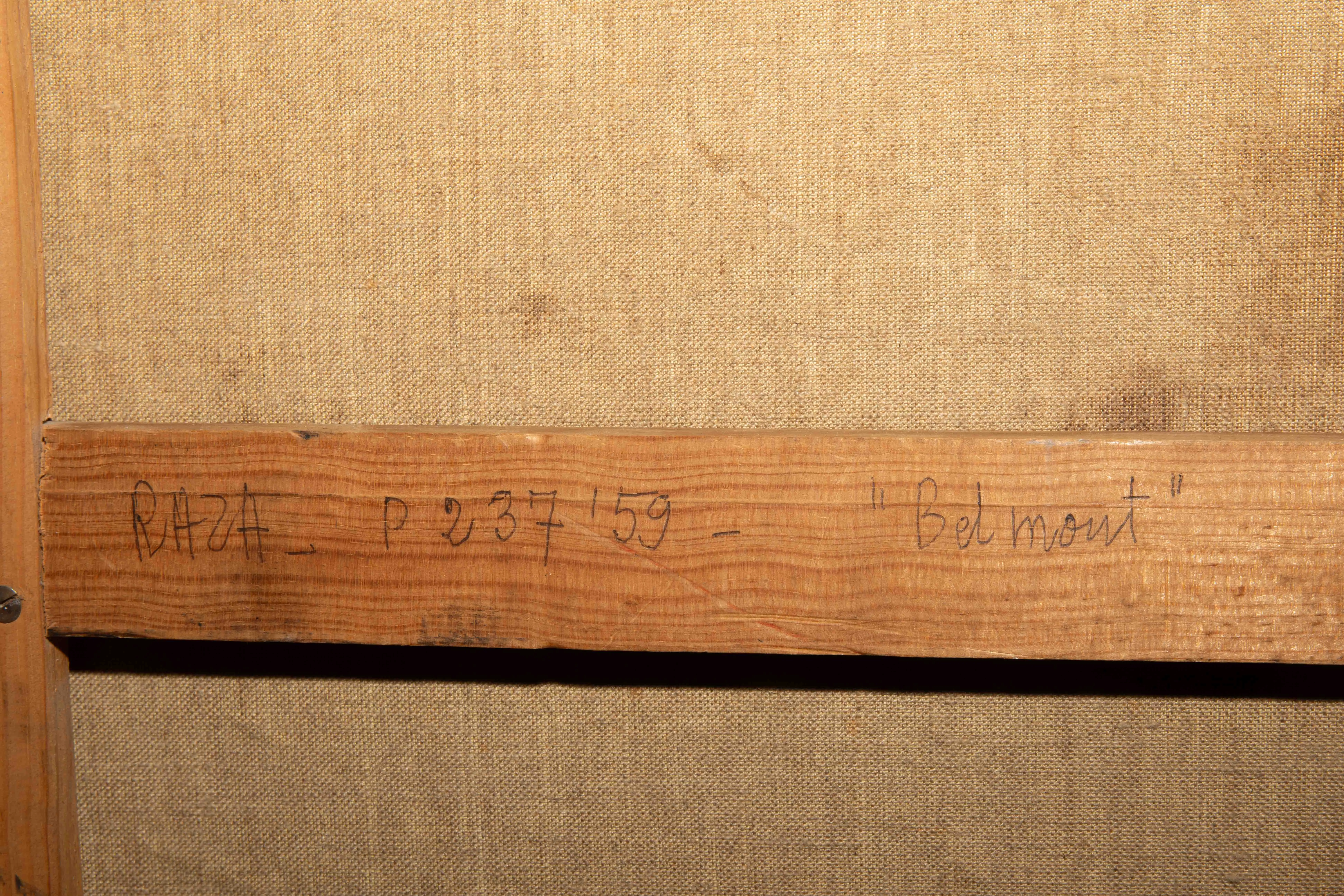
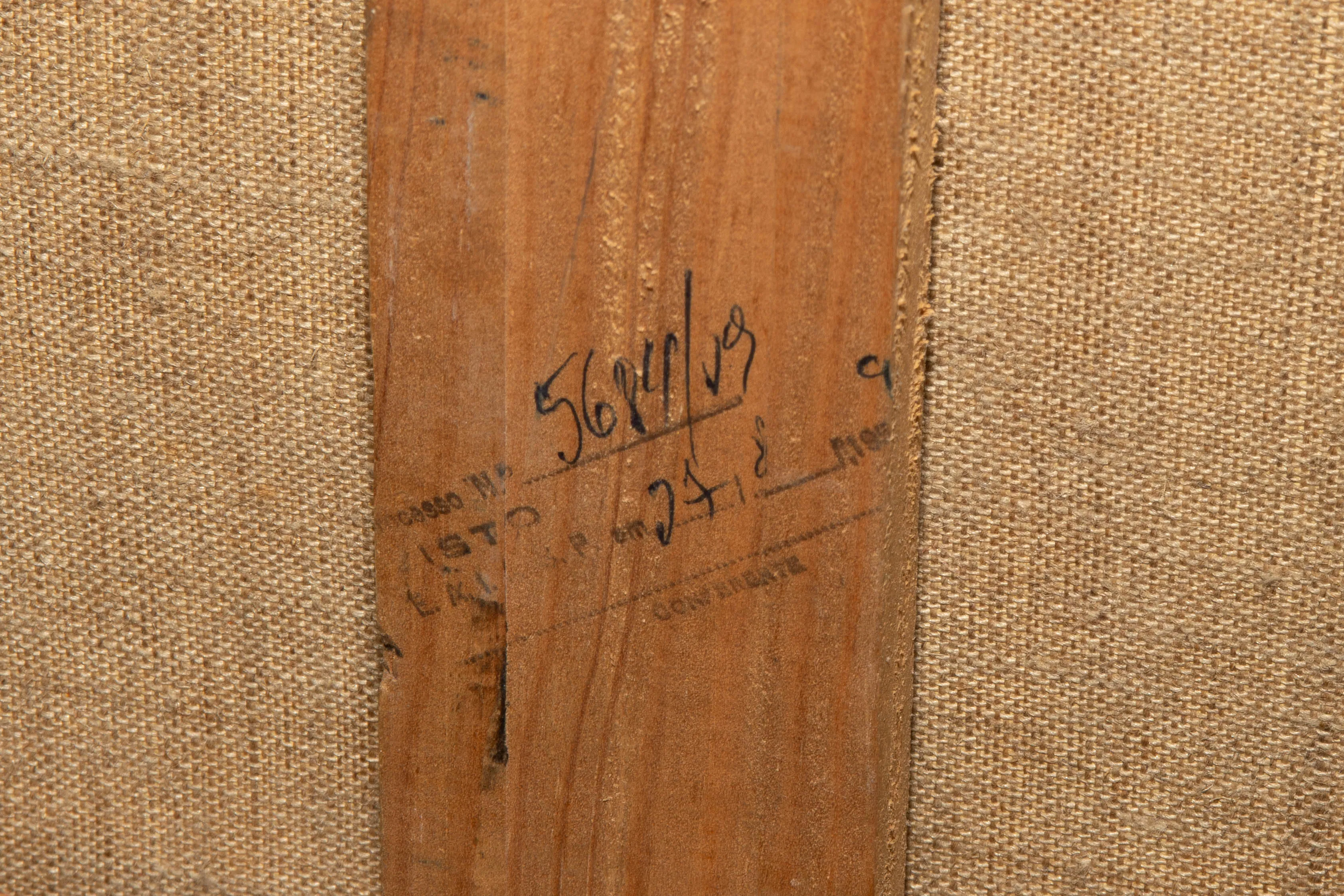
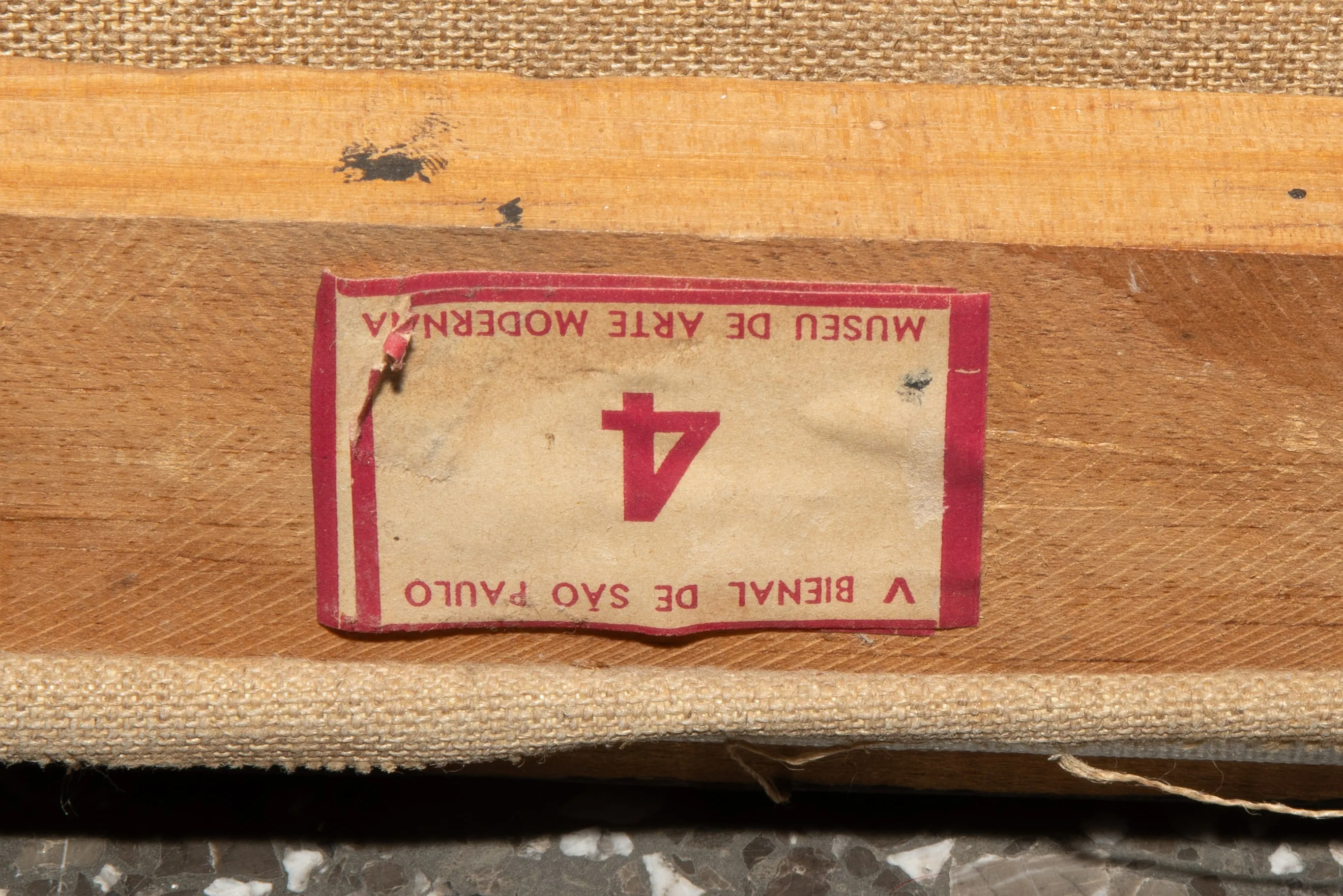
Belmont. 1959. Öl auf Leinwand. Oben rechts signiert und datiert, verso auf dem Keilrahmen signiert, datiert, betitelt Belmont und bezeichnet RAZA P237'59 sowie ein Etikett der 'V BIENAL DE SAO PAULO / 4 / MUSEU DE ARTE MODERNA'. 116,5x73 cm. Gerahmt.
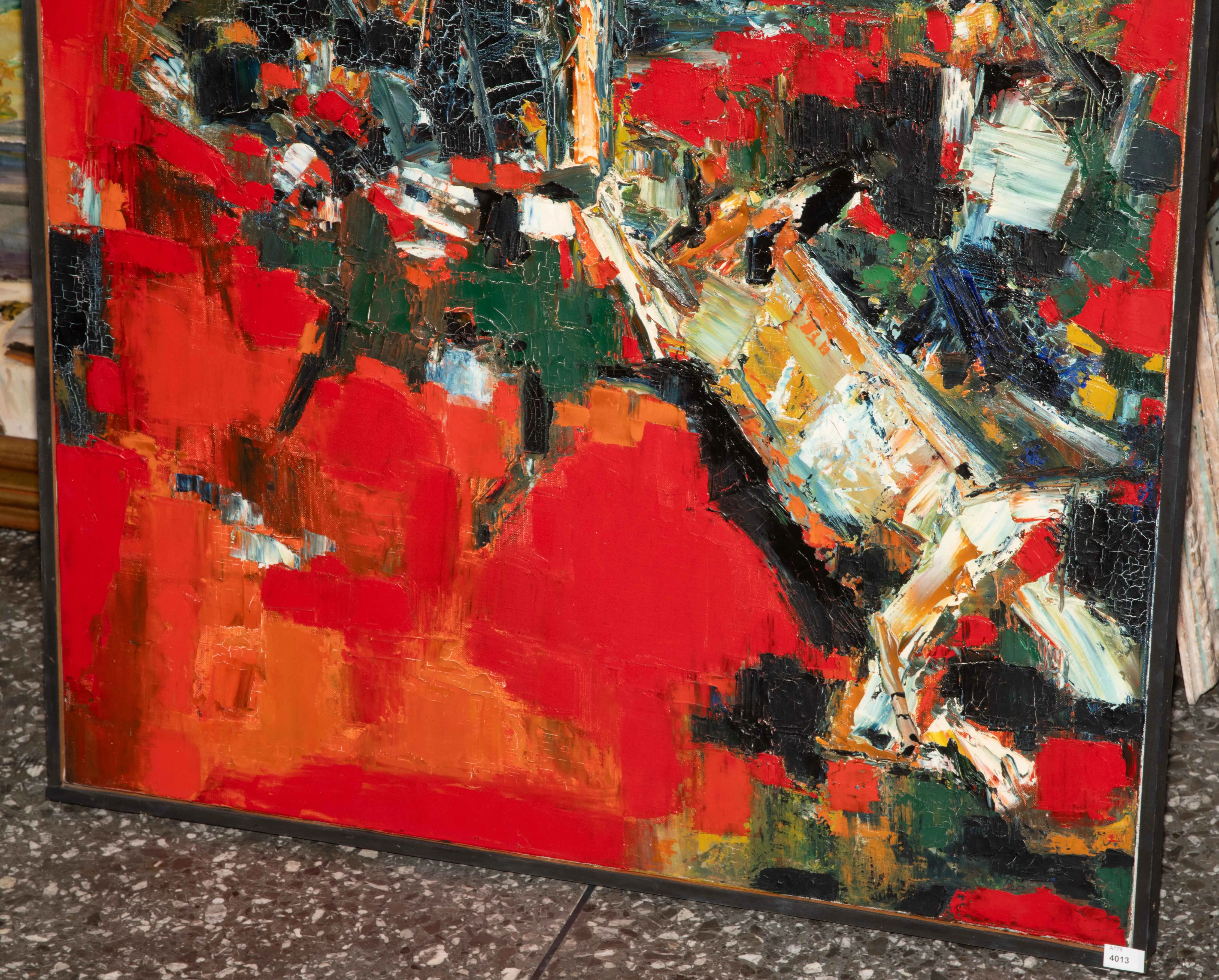
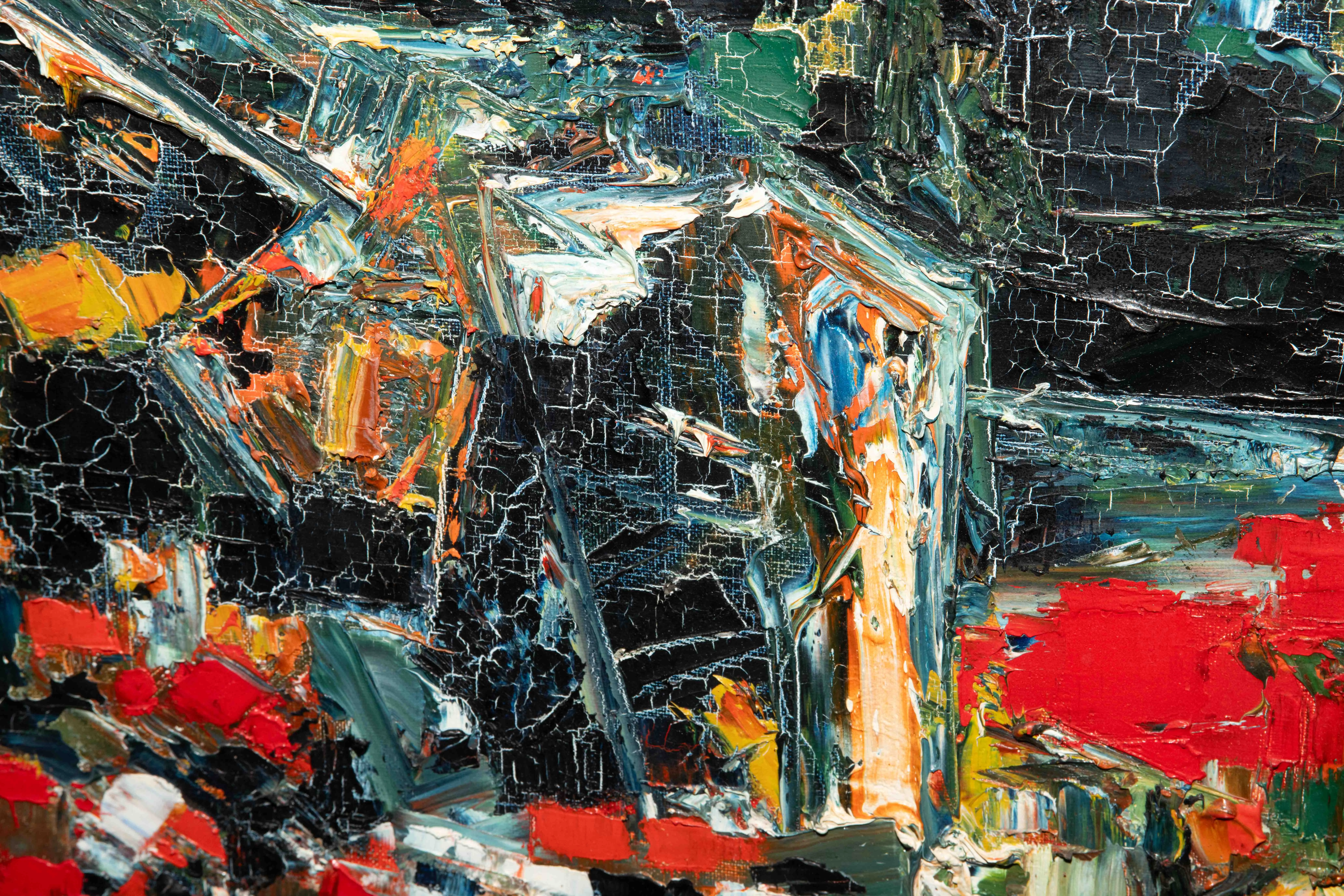
- Krakelüren. Retuschen am oberen Rand.
Wir danken Frau Anne Macklin für ihre Unterstützung bei der Katalogisierung dieses Werkes.
Provenienz:
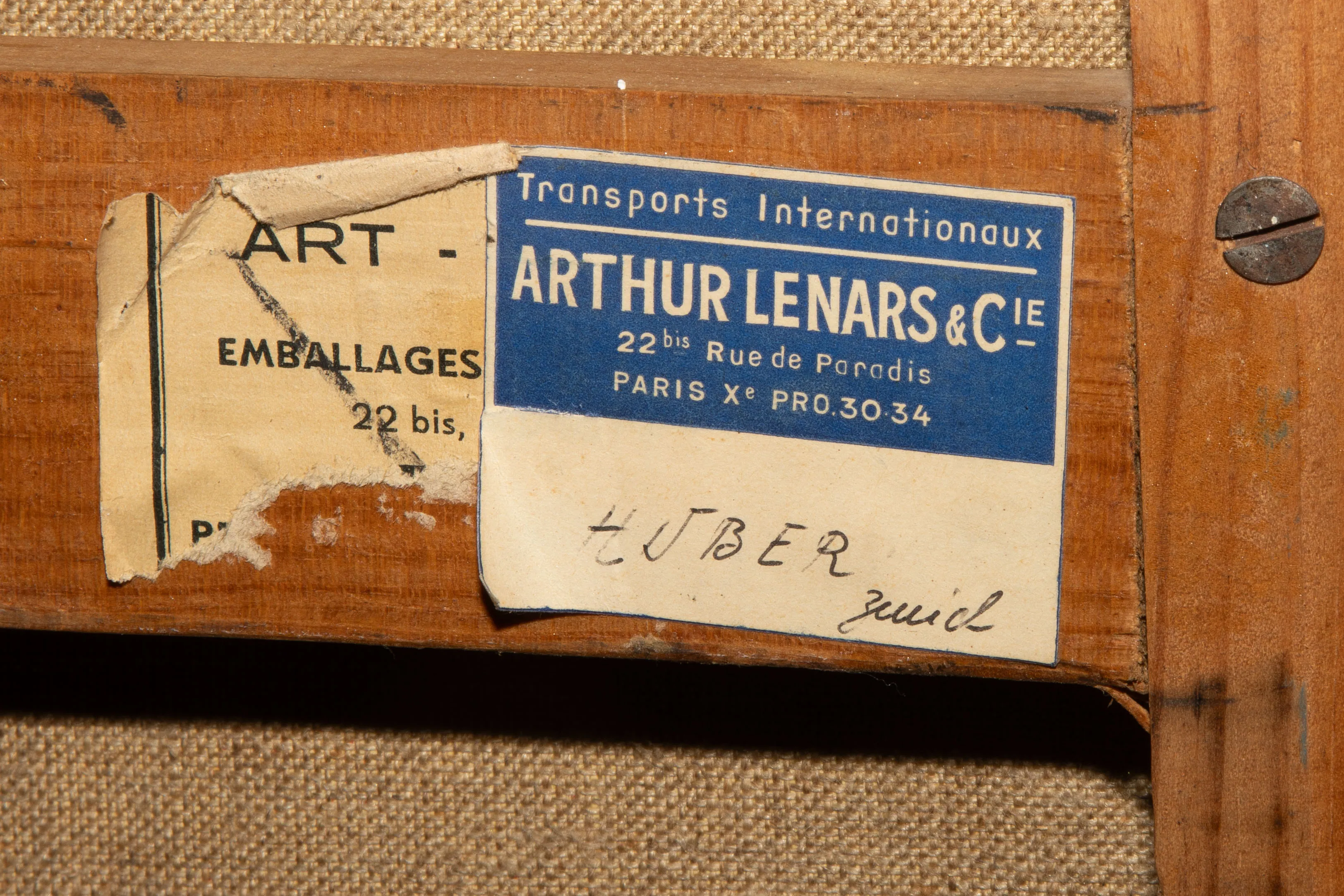
- Galerie Lara Vincy, Paris.
- Sammlung Madame Dubois, Arbon.
- Als Geschenk an die Eltern der heutigen Besitzer.
Ausstellung:
- Indischer Pavillion, 5. Biennale de Sao Paulo, 21. September – 31. Dezember 1959.
Literatur:
- Macklin, Anne (Hg.), S H Raza, Catalogue Raisonné, 1958 – 1971 (Volume I), Vadehra Art Gallery & The Raza Foundation, New Delhi, 2016, S. 30 (m. Abb.).
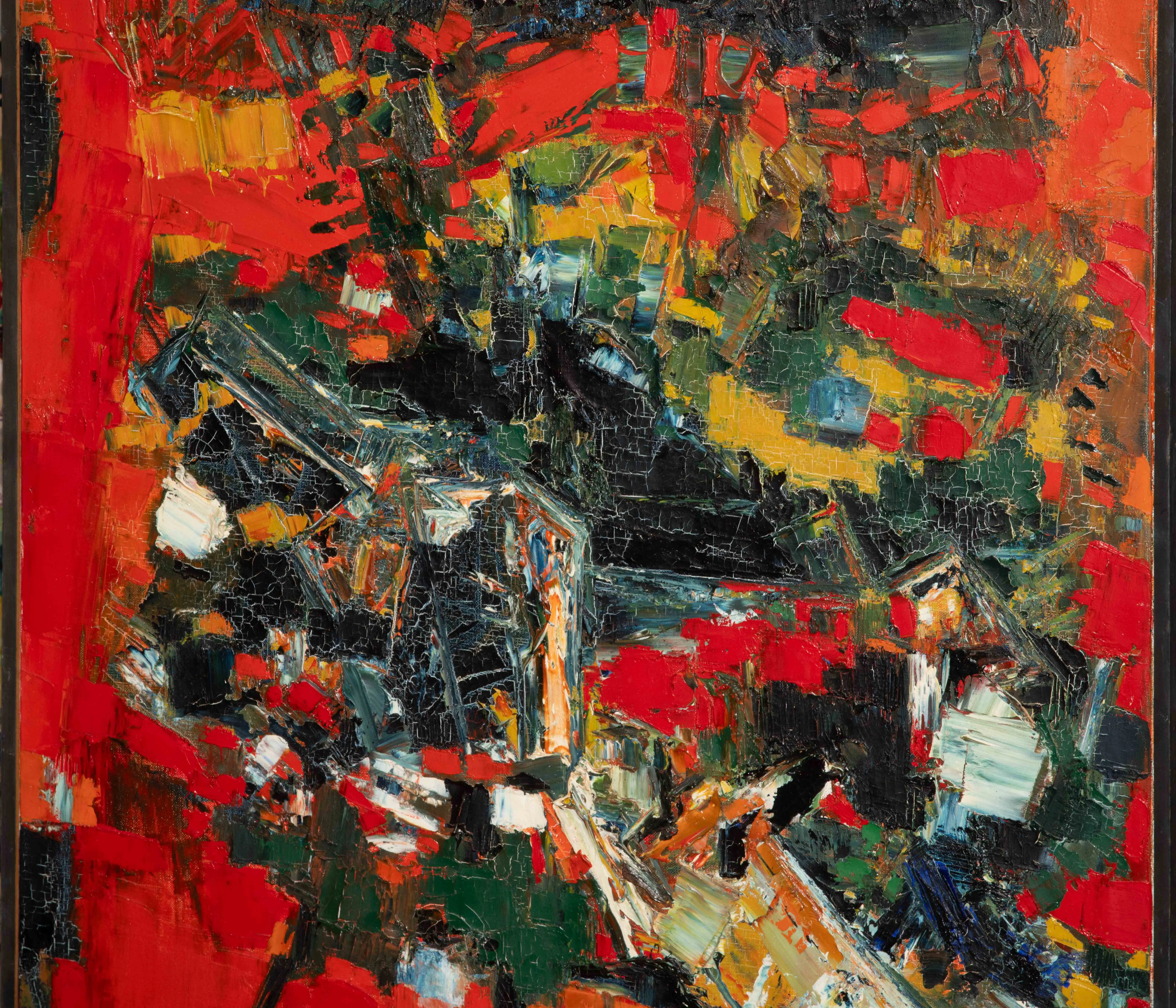
S. H. Razas „Belmont“ (1959) sprüht vor Energie – ein lebhafter Sturm aus Farben und Formen. Das pastos gemalte Ölgemälde zieht den Betrachter in eine dynamische Komposition aus kräftigen Farben: feurige Rot- und leuchtende Orangetöne stehen in auffälligem Kontrast zu strahlendem Weiß und tiefem Schwarz, während die geometrischen Strukturen der Landschaft den Berghang hinabstürzen.
Der Titel „Belmont“ – wörtlich „schöner Berg“ – könnte sich auf zwei Orte beziehen. Der erste ist die Wohnung des Kunstkritikers Rudolf von Leyden in Bombay, die ebenfalls Belmont hiess und in der Raza Anfang 1959 drei Monate lang wohnte. Dies war seine erste Rückkehr nach Indien nach fast einem Jahrzehnt in Frankreich. Alternativ könnte der Titel auch vom Dorf Belmont im Nordosten Frankreichs inspiriert sein, einem Ort, den Raza möglicherweise während einer seiner Reisen durch Europa kennengelernt hat.
Letztendlich ist die wörtliche Herkunft weniger wichtig als die konzeptionelle. Für Raza war der Ort immer zweitrangig gegenüber dem Bild selbst. Belmont wird zu einem Punkt der Synthese – einer Konvergenz von Erinnerungen, Emotionen und Geografien. Es veranschaulicht seinen Versuch, die visuellen Traditionen seines indischen Erbes mit den modernistischen Ausdrucksformen seiner Wahlheimat Frankreich in Einklang zu bringen. Das Gemälde ist keine Darstellung einer bestimmten Szene, sondern eher eine imaginäre Berglandschaft, überlagert von Gebäuden, Steinen und Topografie, allesamt in den satten Farbtönen Indiens wiedergegeben – der leuchtenden Palette der Rajput-Miniaturen und der sengenden Lebendigkeit eines indischen Sommers. Das Werk ist von einer spirituellen Energie durchdrungen, die Razas Schaffen weiterhin prägen und in seiner späteren Bindu-Serie ihren Höhepunkt finden sollte.
Wie der Kritiker Richard Bartholomew in Thought (16. Mai 1959) schrieb:
„In Razas Kunst triumphiert die indische Farbpalette über das avantgardistische Bild. Seine Vision ist prismatisch. Farbe ist seine Freude und sein Schema. Er interessiert sich für das Leben der Farbe und für das Leben, das er durch Farbe darstellen kann. Es gibt keine Symbolik außer der Symbolik und den symbolischen Gesten der Farbe ... Die Landschaft ist nur eine skelettartige Grundlage ... Wichtig für ihn ist die Hebelwirkung, der pulsierende Schwung der Farbe, ihre trockenen und feuchten Bereiche, ihre gleichmäßige Ruhe, ihre Wirbel der Spannung und ihre Ansammlung von Energie in Knotenpunkten plötzlicher Erleuchtung.“
Belmont (1959) ist auch ein Werk von historischer Bedeutung, da es neben Werken von Künstlern wie M.F. Husain und V.S. Gaitonde eines von nur drei Werken von Raza ist, die Ende 1959 auf der 5. Biennale des Museums für Moderne Kunst in São Paulo ausgewählt wurden, um Indien zu vertreten. Belmont erscheint zum ersten Mal auf dem Markt. Da es nur wenige Privatsammlungen durchlaufen hat, bietet es eine seltene und aussergewöhnliche Gelegenheit, ein wegweisendes Werk eines der bedeutendsten modernen Künstler Indiens zu erwerben. Wir danken Anne Macklin für diesen Katalogeintrag.
S. H. Raza’s Belmont (1959) bursts with energy - a vivid storm or colour and form. Painted in oil with thick textured impasto, it draws the viewer into a dynamic composition of bold hues: fiery reds and glowing oranges set against striking contrasts of bright white and deep black, as the geometric structures of the landscape cascade down the mountainside.
The title, Belmont – literally meaning “beautiful mountain” – may refer to one of two places. The first is the Bombay apartment of art critic Rudolf von Leyden, also named Belmont, where Raza stayed for three months in early 1959. This marked his first return to India after nearly a decade in France. Alternatively, the title may be inspired by the village of Belmont in northeastern France, a place Raza might have encountered during his travels across Europe.
Ultimately, the literal origin is less important than the conceptual. For Raza, place was always secondary to the image itself. Belmont becomes a point of synthesis – a convergence of memories, emotions, and geographies. It exemplifies his attempt to reconcile the visual traditions of his Indian heritage with the modernist idioms of his adopted home in France. The painting is not a depiction of a specific scene but rather an imagined mountainside, layered with buildings, stone, and topography, all rendered in the saturated hues of India – the luminous palette of Rajput miniatures and the searing vibrancy of an Indian summer. The work is charged with a spiritual energy that would continue to shape Raza’s practice, culminating in his later Bindu series.
As the critic Richard Bartholomew wrote in Thought (May 16, 1959):
“In Raza’s art, the Indian palette triumphs over the avant-garde image. His is a prismatic vision. Colour is his joy and his schema. He is interested in the life of colour and in the life he can depict through colour. There is no symbolism other than the symbolism and the symbolic gestures of colour... The landscape is only a skeletal base... What is important to him is the leverage, the pulsating thrust of colour, its areas of dryness and of moisture, its even tranquillity, its swirls of tension and its gathering of energy into knots of sudden illumination.”
Belmont (1959) is also a work of historical significance as one of just three works by Raza selected to represent India – alongside artists such as M.F. Husain and V.S. Gaitonde – at the 5th Biennial of the Museum of Modern Art in São Paulo in late 1959. This is the first time Belmont has appeared on the market. Having passed through only a few private collections, it offers a rare and exceptional opportunity to acquire a landmark work from one of India’s most important modern artists. We would like to thank Anne Macklin for this catalogue entry.
Estimate: CHF 70'000 - 150'000EUR 77'780 – 166'670
Hammer Price: CHF 550'000
Condition reports and photos upon request, at least 24h before the auction.
The absence of condition remarks in the catalogue entry does not imply the absence of wear, repairs, or defects or mean the item is in perfect condition. Prospective buyers should inspect each lot to satisfy themselves as to condition and must understand that any statement made by Schuler Auktionen is merely a subjective qualified opinion.
Please note that watch or clock movements have not been tested for the accuracy of time and may need a service at the buyer's expense. Schuler Auktionen does not guarantee the future working of the movements and we do not guarantee the authenticity of any individual component parts since subsequent repairs and restoration work may have resulted in the replacement of original parts.
Bids below the lower estimate will not be accepted.
Bids may be submitted by post, fax (+41 43 399 70 11) or E-mail (scanned bidding form). All bids must be duly signed.
Written bids for the Online Only Sales (cat. nos. 1 to 1681) must be received by us no later than 24 hours before the auction begins.